India has roughly 1 lakh Local Cable Operators (LCOs). In 2019, almost all of them were in the business of cable television. By 2026, the ones still doing cable-only are either struggling or shutting down. The ones building broadband businesses are growing. This is not a coincidence — it's a structural shift that was always going to happen, and it's accelerating fast.
So why are cable operators switching to broadband in India? The short answer: cable TV revenue is dying and broadband revenue is rising. But the full picture is more interesting — and more urgent — than that. This guide breaks down every reason LCOs are making the pivot, what it means for the cable operator business model, and how operators in India are actually pulling it off.
What's in This Guide
- The collapse of cable TV revenue
- Broadband as the new revenue engine for LCOs
- The infrastructure advantage LCOs already have
- Government push: BharatNet and policy tailwinds
- The survival reality: OTT and subscriber migration
- How leading operators are making the broadband switch
- Challenges in transitioning — and how to manage them
- FAQ
The Collapse of Cable TV Revenue in India
Let's start with the numbers. According to TRAI data, cable TV active subscriber base in India has been declining steadily since 2019. DTH captured households that wanted better picture quality. OTT platforms captured young viewers who stopped watching linear TV altogether. Advertisers followed eyeballs — and eyeballs left cable.
For LCOs, the squeeze comes from two sides simultaneously:
- MSOs (Multi-System Operators) keep raising carriage fees and reducing LCO margins on content packages
- Subscribers keep cancelling or downgrading to cheaper packages as OTT replaces their TV time
- TRAI's tariff orders capped how much operators could charge, limiting upside revenue
- Collection efficiency dropped as subscribers renegotiated or simply stopped paying
The result: an LCO with 500 cable subscribers in 2019 might have been earning ₹3–4 lakh per month. The same 500 subscribers in 2026, with OTT-driven churn and package downgrades, might be earning ₹1.5–2 lakh. Revenue cut by 40–50%, while costs stayed flat.
This is the fundamental pressure that's pushing cable operators to switch to broadband in India. It's not a trend — it's a survival problem.
Broadband as the New Revenue Engine for LCOs
Compare that cable TV revenue picture to what a broadband subscriber generates. A typical LCO in Kerala or Tamil Nadu offering FTTH broadband can charge ₹399–₹999 per month per subscriber, with minimal MSO cuts. The operator keeps 70–80% of the subscription fee. No carriage fees, no content licensing headaches.
ARPU (Average Revenue Per User) for fixed broadband is already higher than cable TV and growing. According to TRAI's telecom data, India's fixed broadband subscriber base crossed 40 million in 2024 and is accelerating — driven precisely by local cable operators who already own the last-mile infrastructure.

The cable operator business model in India is transforming: from content reselling (razor-thin margins, MSO-dependent) to connectivity services (higher margins, own infrastructure, recurring revenue).
Managing this transition requires the right tools. lno360's subscriber management dashboard helps LCOs track broadband subscribers separately from cable TV, run dual-service billing, and identify which cable subscribers are ready for an upsell to broadband — all from a single platform.
The Infrastructure Advantage LCOs Already Have
Here's what makes the cable operator to broadband transition different from starting a new ISP from scratch: LCOs already own the last-mile.
Every cable operator in India has years of investment in:
- Coaxial cable runs to hundreds or thousands of homes
- Junction boxes, splitters, and amplifiers across the service area
- Customer relationships and payment trust built over years
- Technicians who already know every street and building in the coverage zone
- A physical presence and reputation in the local market
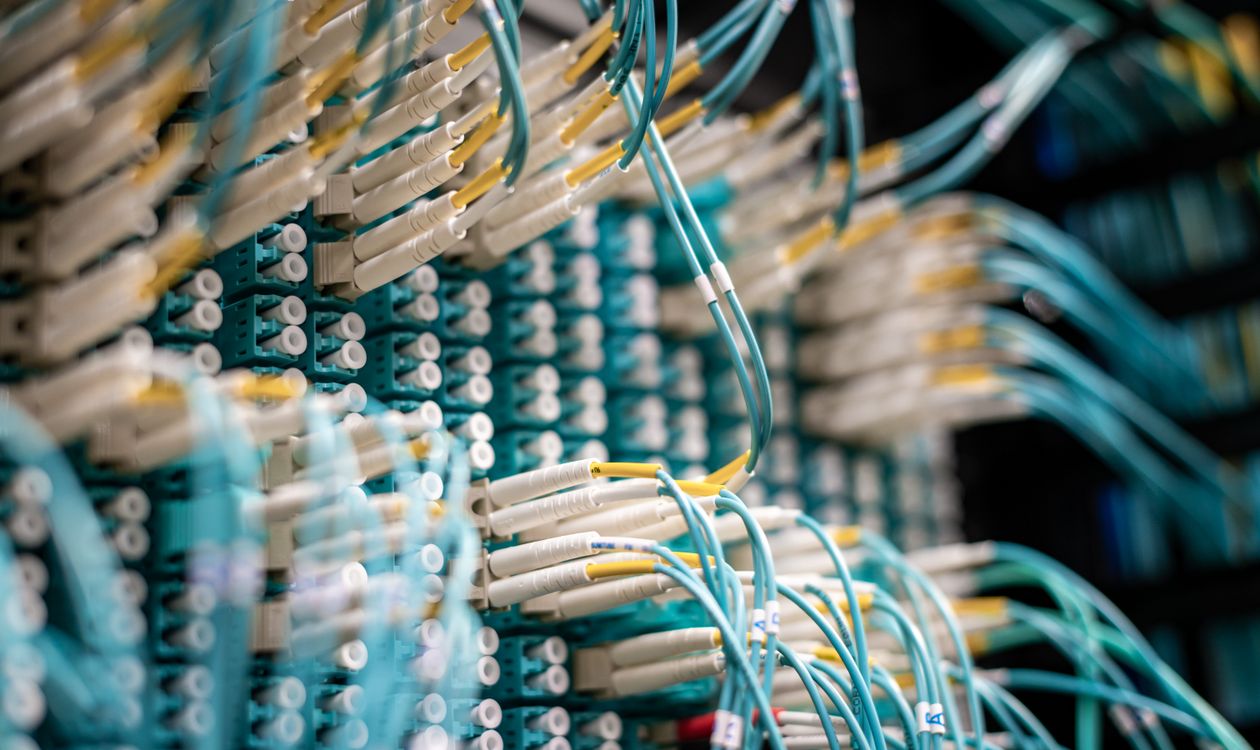
Converting this to FTTH (Fiber to the Home) broadband doesn't mean starting over. It means upgrading the last mile — replacing coaxial runs with fiber, installing ONUs at customer premises, and deploying a GPON OLT at the headend. The hard part (building local trust and physical reach) is already done.
This is exactly why TRAI and the government have been actively encouraging LCOs to become ISPs. They are the only entities with the scale and local presence to reach Tier 3 and Tier 4 towns in India at a viable cost.
BharatNet and Government Push: Policy Is on the LCO's Side
BharatNet Phase 3 has set aside massive allocations to bring optical fiber to every gram panchayat in India. The plan creates a direct opportunity for local cable operators who want to become rural broadband providers — using BharatNet backhaul to build FTTH networks in areas where no large ISP will go.
Beyond BharatNet, DoT's Category C ISP license (state-level, low-cost) is specifically designed for operators with local scope. Application process is online, fees are manageable (₹10 lakh FDR for state license), and approval timelines have improved. TRAI has also been vocal about LCOs playing a central role in India reaching 500 million broadband connections.
This policy environment is not neutral — it is actively favourable to LCOs making the broadband switch. Operators who move now get first-mover advantage in their catchment areas. Those who wait may find larger players — or other LCOs — locking up the local subscriber base first.
The Real Reason: OTT Is Eating Cable TV, But Needs Broadband to Work
Here's the irony that every smart LCO has figured out: OTT platforms are killing cable TV subscriptions, but they need fast broadband to stream. Netflix, Disney+ Hotstar, Amazon Prime, YouTube, and JioCinema all need at least 10–25 Mbps stable connection for HD/4K viewing.
So when a subscriber cancels cable TV because they want OTT instead, they simultaneously need a broadband upgrade. The LCO who gave them cable TV can give them that broadband — and stay the household's service provider. The LCO who doesn't offer broadband loses the subscriber entirely.
"Cable TV operators could have and should have distributed broadband more effectively to reach every nook and corner" — TradingView/Invezz, Dec 2025
This is the survival logic that's driving the cable operator switch to broadband across India. It's not just about making more money. It's about not losing the entire business to OTT-driven churn.
How Leading LCOs Are Making the Broadband Switch
The most successful cable-to-broadband transitions we've seen share a common playbook:
Step 1: Start with Dual-Service Offering
Don't cancel cable TV immediately. Instead, offer existing cable subscribers an add-on broadband plan. Many subscribers will take a ₹399–599/month broadband add-on before they're ready to go broadband-only. This keeps revenue stable during the transition.
Step 2: Upgrade Infrastructure Zone by Zone
Rather than a full network overhaul, prioritise the zones with the highest subscriber density and most cable TV churn risk. Deploy fiber in those areas first, prove the model, then expand.
Step 3: Get the ISP License Early
Apply for a Category C ISP license from DoT as soon as you've decided to go broadband. Approval typically takes 3–6 months. Don't wait until your network is ready — get licensed first.
Step 4: Automate Billing and Collections from Day One
Broadband billing is different from cable TV billing — it involves data usage tracking, FUP (Fair Usage Policy) management, and online payment integration. lno360's automated billing module handles online payments, GST invoicing, auto-reminders, and FUP enforcement so LCOs don't need separate software as they scale broadband subscribers.

Step 5: Train Your Technicians
FTTH troubleshooting is different from cable TV troubleshooting. Invest in ONU configuration training and fiber splicing skills for your existing team. lno360's technician dispatch and field ops module helps operators assign complaints to field staff, track resolution time, and maintain a customer history log — so the learning curve is managed systematically.
Challenges in the Cable to Broadband Transition (And How to Handle Them)
Let's not pretend this is easy. There are real challenges:
Capital Investment
FTTH network deployment costs ₹2,000–₹5,000 per home passed, depending on the area. Most LCOs don't have this capital sitting around. Solutions: phased rollout, bank loans against existing business revenue, or partnering with an NOFN (National Optical Fibre Network) reseller for backhaul.
Subscriber Education
Existing cable TV subscribers need to be convinced that broadband is worth ₹400–999 per month when mobile data (via Jio or Airtel) is available. The pitch is stability, speed, and no-FUP home connections vs. congested mobile data. Many households are ready for this — they just need to be asked.
Complaint Volume Spike During Transition
When you launch broadband alongside cable TV, complaint volumes initially spike. Subscribers call about ONU issues, WiFi configuration, billing confusion. lno360's ticketing and complaint management system lets LCOs categorise complaints by type (network, billing, hardware), assign them to technicians, and track resolution — preventing the common pitfall of complaints falling through the cracks during rapid growth.
Churn from Competitors
As you upgrade to broadband, national ISPs and other LCOs may also be targeting your coverage area. Speed and local service quality are your differentiators. A national ISP's customer care is a call centre in another city. Yours is a technician who can be at the customer's door in an hour.
Frequently Asked Questions
Why are cable operators in India switching to broadband?
Cable TV revenue has declined sharply due to OTT platform adoption, DTH competition, and TRAI tariff caps. Broadband offers higher ARPU (₹400–999/month), better margins, and recurring revenue without MSO dependency. LCOs who already have last-mile infrastructure are in a uniquely strong position to offer broadband.
Can a cable operator become an ISP in India?
Yes. Cable operators can apply for a Category C ISP license from DoT, which covers a state-level broadband operation. The process is online through DoT's portal, requires a ₹10 lakh FDR (Financial Deposit Requirement) for state licenses, and typically takes 3–6 months to complete. Many LCOs have already completed this transition.
What is the cable operator business model in India for broadband?
The broadband business model for LCOs involves deploying FTTH (Fiber to the Home) or DOCSIS-based internet to subscribers within their coverage area. Revenue comes from monthly subscription plans (typically ₹399–₹999/month). LCOs procure bandwidth from upstream ISPs or BharatNet and mark up for retail subscribers, keeping 70–80% of subscription revenue.
What is the future of cable TV in India?
Cable TV in India will continue declining as OTT platforms and broadband replace linear television. TRAI data shows consistent subscriber erosion in cable TV. Most analysts expect cable TV to become a niche product by 2030, primarily in Tier 2 and Tier 3 towns where digital penetration is still catching up. LCOs who pivot to broadband now are positioning for this future.
How much investment does a cable operator need to switch to broadband?
FTTH network deployment typically costs ₹2,000–₹5,000 per home passed. For an LCO with a 500-home coverage area, this means ₹10–25 lakh in network investment, plus ONU costs of ₹1,500–2,500 per connected subscriber. Phased rollout — starting with the highest-density zones — reduces the initial capital requirement significantly.
How does broadband help cable operators survive the OTT disruption?
OTT platforms (Netflix, Hotstar, YouTube) need high-speed broadband to work well. When cable TV subscribers cancel their TV subscription in favour of OTT, they simultaneously need broadband. An LCO who offers broadband can retain these subscribers and convert them from TV customers to internet customers — keeping the household relationship and the recurring revenue.
The Bottom Line for Indian Cable Operators
The cable to broadband transition is not optional for LCOs who want to survive past 2028. Cable TV revenue is structurally declining. Broadband revenue is structurally growing. And local cable operators have every infrastructure, relationship, and local market advantage needed to win the broadband battle in their coverage areas.
The operators making the switch today — building FTTH networks, getting ISP licenses, automating their billing, and training their teams — are building businesses that will still exist in 2030. The ones waiting for cable TV to recover are building towards closure.
If you're a cable operator in India thinking about making the broadband switch, lno360.com is built specifically for LCOs managing this transition — handling dual-service billing, subscriber management, complaint ticketing, technician dispatch, and network monitoring in one platform. Explore it at lno360.com.