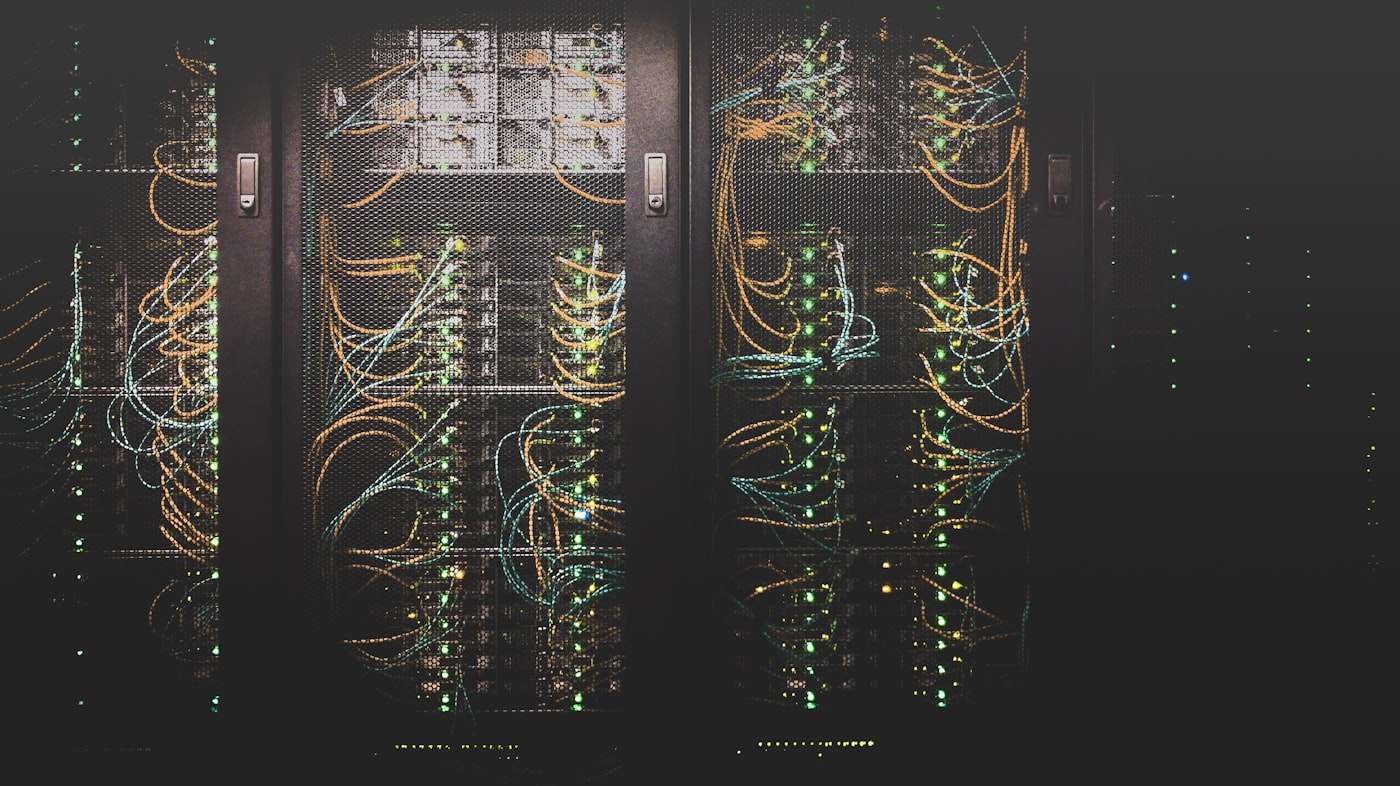
India has over 60,000 Local Cable Operators. But most of them are stuck at the same subscriber count they had three years ago. Jio Fiber, BSNL FTTH, and OTT platforms are eating into the traditional cable TV base. Yet some LCOs are growing — adding 50, 100, even 500 new broadband subscribers a year without massive capital injection.
What are they doing differently?
They're not just surviving the transition from cable TV to broadband — they're using it to grow. This guide breaks down seven proven tactics on how to grow your cable operator business in India: from launching broadband to automating billing to expanding into new areas.
If you're an LCO wondering how to increase your subscriber base, improve margins, and build a business that doesn't shrink every year, this guide is for you.

Table of Contents
- Launch Broadband — Even If You're Still Running Cable TV
- Grow Subscriber Base with Local Marketing That Actually Works
- Stop Churn Before It Kills Your Growth
- Automate Billing and Collections
- Bundle Cable TV + Broadband to Increase ARPU
- Expand Into Underserved Areas Near You
- Use Technology to Manage More Subscribers with Fewer Staff
1. Launch Broadband — Even If You're Still Running Cable TV
Many LCOs treat cable TV and broadband as an either/or decision. That's the wrong way to think about it.
The smartest operators in India run cable TV and FTTH broadband in parallel — using the same duct paths and local infrastructure they already own. Broadband ARPU in India averages ₹400–600/month for residential plans and ₹1,000–2,000/month for small business connections. Compare that to cable TV ARPU of ₹120–200/month and the math is obvious.
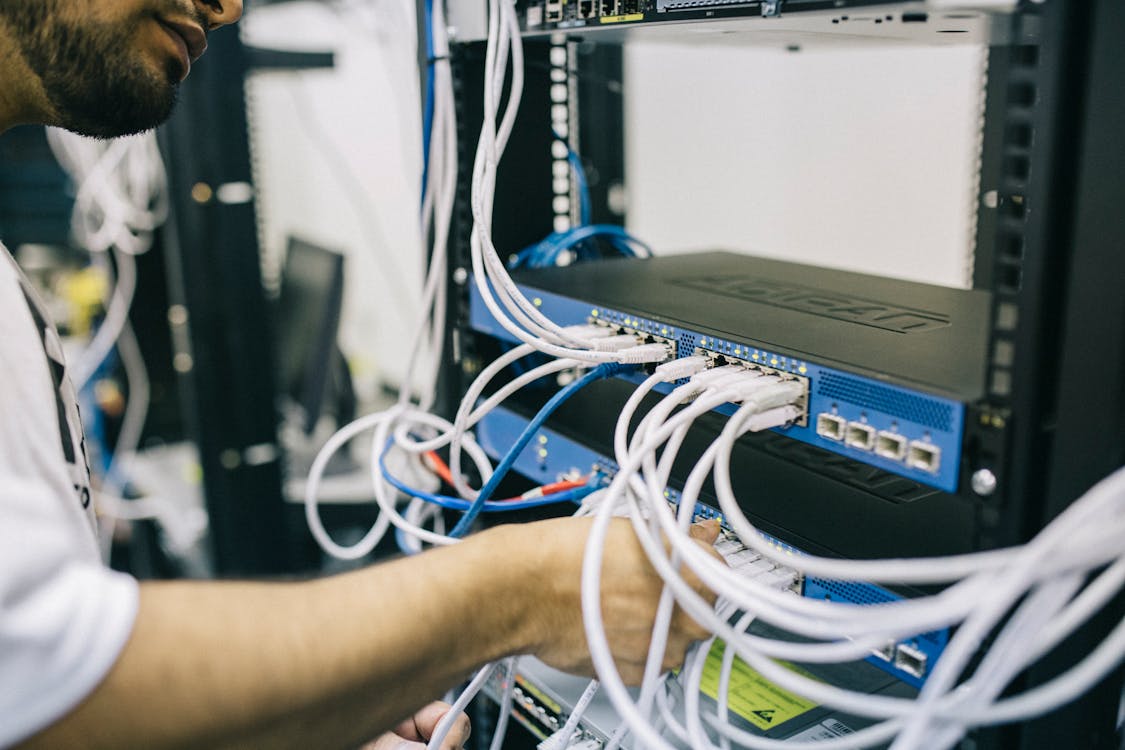
Start with a small GPON deployment — even 50 homes in your strongest locality — to test, price, and build word-of-mouth before scaling. BharatNet Phase 3 is making this easier by providing backhaul fiber to last-mile operators in rural and semi-urban India.
You don't need to do everything at once. Start in one street. Prove the model. Then expand. Growing your cable operator business in India today means treating broadband not as a future option but as the core revenue engine.
2. Grow Subscriber Base with Local Marketing That Actually Works
Paid digital ads rarely work for LCOs — your catchment area is too small for Meta or Google to target efficiently. What works is hyper-local marketing.
- Referral programs: Give existing subscribers a ₹100–200 discount for every new subscriber they bring in. Word-of-mouth is your most powerful channel in a local market.
- WhatsApp groups: Join local colony, apartment, and market WhatsApp groups. Post your plans and customer care number. This costs nothing and has immediate local reach.
- RWA/society partnerships: Approach residential welfare associations and apartment complexes. A bulk deal with a 100-unit apartment means 100 new subscribers from a single conversation.
- Cable TV promotion: If you're still running cable TV, use your network to run a scroll ad promoting your broadband plans. It's free advertising to your most captive audience.
The best operators report 40–60% of new subscriber adds coming through referrals. Build a referral system before you spend a single rupee on advertising.

3. Stop Churn Before It Kills Your Growth
Acquiring a new subscriber costs 5–10x more than retaining an existing one. Yet most LCOs have no formal churn management process. A subscriber who complains once and doesn't get a quick response will disconnect — and tell five neighbours.
The fix is a structured complaint resolution system:
- Every complaint gets a ticket number and a resolution SLA (target: 4 hours for connectivity issues)
- Complaints are assigned to a specific technician — not dropped into a WhatsApp group and forgotten
- Subscribers get a WhatsApp or SMS update when the ticket is raised and when it's resolved
- Unresolved complaints escalate automatically after a set time threshold
lno360's complaint and ticketing system was built specifically for LCOs managing this at scale — with technician dispatch, SLA tracking, and subscriber communication built in. If you're managing 200+ subscribers manually, a structured system is not optional. It's the difference between growing and bleeding subscribers.
4. Automate Billing and Collections
Manual billing is where most LCOs silently lose money. When bills go out late, renewals get missed, and collections are inconsistent — cash flow suffers and subscribers drift into disconnection.
A proper ISP billing automation system should:
- Generate and send bills automatically on the renewal date every month
- Send WhatsApp/SMS reminders 3 days before and on the due date
- Support UPI, wallet, and net banking — subscribers pay faster when it's easy
- Auto-disconnect after grace period and auto-reconnect on payment with no manual work
- Generate GST-compliant invoices automatically
lno360's billing module handles all of this — GST invoicing, payment gateway integration, and auto-renewal workflows included. Operators switching from manual to automated billing typically recover 15–25% more revenue in the first month just from catching overdue accounts.
5. Bundle Cable TV + Broadband to Increase ARPU
The single most effective revenue lever available to every LCO right now is bundling. A household paying ₹200/month for cable TV might pay ₹599–699/month for cable TV plus 30 Mbps broadband. That's 3x the revenue from the same subscriber with no additional acquisition cost.
Bundling also increases stickiness. A subscriber with both services from you is far less likely to disconnect — they'd have to replace two services at once to leave.
Pricing guidance: operators in Kerala are charging ₹699–799/month for quality fiber + cable bundles and maintaining healthy margins. Don't race to the bottom. Compete on reliability and service quality, not price alone.
6. Expand Into Underserved Areas Near You
Most LCOs focus growth efforts on their existing service area. But the biggest opportunity is often one locality away — an underserved colony, a new housing project, or a village on the edge of your existing infrastructure.
Before expanding, run a simple assessment:
- Map your existing fiber/coax routes to identify which areas you're physically closest to
- Check BharatNet coverage maps — nearby villages may have backhaul fiber available to lease
- Identify apartment complexes under construction and approach builders directly before occupancy
A single bulk deal with a 50-unit housing colony takes the same sales call as a single subscriber — but closes 50 accounts at once. The ROI on targeted geographic expansion far exceeds saturating ground you've already won.
See also: Cable operator to ISP transition guide and BharatNet Phase 3 LCO opportunity.
7. Use Technology to Manage More Subscribers with Fewer Staff
The biggest mistake growing LCOs make is scaling headcount alongside subscriber count. Every 100 new subscribers should not require hiring another customer care person. Technology scales better than people.
A proper ISP management platform should give you:
- Real-time subscriber dashboard showing active, expired, and suspended accounts at a glance
- OLT and network monitoring that alerts you before subscribers call to complain — proactive, not reactive
- Technician dispatch with location-based assignment — no more WhatsApp coordination chaos
- Monthly reports on revenue, churn rate, and collection efficiency to spot problems early
lno360's subscriber management dashboard is designed for LCOs managing 500 to 10,000+ subscribers. Operators using it report saving 2–3 hours per day on manual subscriber lookups, billing queries, and technician coordination — time that goes directly back into growing the business.
Frequently Asked Questions
How many subscribers does an LCO need to be profitable?
Most LCOs reach operational breakeven at 150–200 broadband subscribers with an ARPU of ₹400–500/month. With cable TV bundled in and ARPU at ₹600+, this can drop to 100–120. Keep fixed costs lean early — avoid hiring staff for tasks that software can handle automatically.
What is the best way to add new broadband subscribers as an LCO?
Referral programs, RWA/society bulk deals, and WhatsApp word-of-mouth consistently outperform paid digital advertising for local operators. Your service area is too small for Meta or Google to target efficiently. Start with your existing subscribers — a ₹200 referral discount per new connection is the cheapest subscriber acquisition you will find.
How much does FTTH deployment cost for an LCO in India?
GPON deployment for 100 homes in India typically costs ₹8–15 lakh depending on geography, existing duct availability, and equipment sourcing. BharatNet subsidies and the VNO model can reduce this significantly for rural operators. Urban deployments recover costs faster due to higher subscriber density.
How do I reduce customer complaints in my cable operator business?
Most LCO complaints stem from slow response, no follow-up, and zero communication back to the subscriber. The structural fix: a ticketing system with assigned technicians, resolution SLAs, and automated WhatsApp/SMS updates. When a subscriber knows someone is working on their problem, they stop calling back repeatedly and losing patience.
Is broadband business profitable for Indian LCOs in 2026?
Yes — significantly more profitable per subscriber than cable TV alone. Broadband ARPU of ₹400–600/month is 3–5x higher than typical cable TV ARPU. LCOs who launch fiber typically see margin improvement within 12–18 months. The key is controlling operational costs as you scale — that is exactly where lno360.com makes the biggest difference.
Conclusion: Growing Your Cable Operator Business Requires a System
Growing a cable operator business in India in 2026 is harder than it was five years ago — but it is absolutely possible. The LCOs who are winning share a few things: they've moved into broadband, they treat churn as a systems problem not a people problem, and they use technology to run leaner operations.
The seven tactics in this guide — launching broadband, local marketing, churn management, billing automation, bundling, geographic expansion, and technology — are what operators across Kerala, Tamil Nadu, Maharashtra, and Andhra Pradesh are using to grow right now. None of them require massive capital. They require the right approach and the right tools.
If you're running 200+ subscribers and want to scale without losing control, lno360.com is built for this stage of your LCO growth — with billing, complaint management, subscriber dashboard, and OLT monitoring all in one platform designed for Indian operators.