India has over 60,000 Local Cable Operators today. And despite Jio Fiber, OTT platforms, and the noise about cable TV dying — the demand for reliable local broadband has never been higher. LCOs who make the right moves are adding 200–400 new broadband subscribers a year without massive capital or corporate backing.
The opportunity is real. But getting started without a clear roadmap wastes money and months you cannot afford.
This guide covers everything you need to know about how to become a cable operator in India in 2026 — from MIB registration and postal licence requirements to infrastructure investment, the business model, and how to get your first 100 subscribers.

What This Guide Covers
- What is a Local Cable Operator (LCO)?
- LCO vs MSO: Know the difference before you start
- Licenses you need to operate legally
- Step-by-step: LCO registration online in 2026
- Infrastructure and startup investment
- How cable operators make money
- Getting your first 100 subscribers
- Common mistakes new LCOs make
What Is a Local Cable Operator (LCO)?
A Local Cable Operator is a licensed individual or company that delivers cable TV and/or broadband internet to end consumers in a defined geographic area. In India, LCOs operate under the Cable Television Networks (Regulation) Act, 1995, and are regulated by both TRAI and the Ministry of Information and Broadcasting (MIB).
LCOs typically serve 200 to 5,000 households in a town, locality, or cluster of villages. They connect to a Multi System Operator (MSO) for cable TV signals and may independently provide broadband through their own fiber infrastructure. As an LCO, you are the last mile — the direct interface between the network and the paying subscriber.
The LCO segment in India is highly fragmented, which means local operators with strong community ties and fast service consistently win over large national players. This is your structural advantage.
LCO vs MSO: Know the Difference Before You Start
Before you register, understand where you sit in the distribution chain:
- LCO (Local Cable Operator): Serves end subscribers in a locality. Last-mile provider. Needs postal/MIB registration and optionally an ISP license for broadband.
- MSO (Multi System Operator): Aggregates channels from broadcasters and distributes signals to LCOs. Requires MIB registration and runs a headend. Examples: Den Networks, Hathway, SITI Networks.
- Broadcaster: TV channels that create content and license it to MSOs for distribution.
You want to be an LCO. MSO registration requires significantly more capital, regulatory clearance, and infrastructure. As an LCO, your job is to own the last-mile wiring, the subscriber relationships, and the monthly billing — the most profitable part of the chain when run efficiently.
Licenses You Need to Become a Cable Operator in India
1. Postal Licence (Cable TV)
To deliver cable TV services, you need a postal licence from your area's head post office under the Cable Television Networks (Regulation) Act, 1995. Apply in Form 1. The annual fee is Rs. 500. Renewal is mandatory every year.
2. MIB Registration on Broadcast Seva Portal
Since January 2025, the Ministry of Information and Broadcasting made LCO registration fully online through the Broadcast Seva Portal (new.broadcastseva.gov.in). All new LCOs must register here. This is mandatory — operating without MIB registration can lead to cancellation of licence and penalties under TRAI regulations.
3. DOT ISP License (For Broadband Internet)
If you plan to offer broadband — which every new LCO should — you need an ISP license from the Department of Telecommunications (DoT). Most LCOs start with a Category C ISP license, which covers a local area and costs Rs. 10,000 in application fees. For operations spanning multiple districts, Category B is appropriate. Operating broadband without a DoT ISP license is illegal under the Indian Telegraph Act. Do not skip this step.

Step-by-Step: How to Register as an LCO Online in 2026
- Prepare your documents: Aadhaar card, PAN card, address proof, passport-size photo, and a list of the localities or wards where you plan to operate.
- Visit new.broadcastseva.gov.in — the official Broadcast Seva Portal of MIB. Create an account using your mobile number and email.
- Fill Form 1 for LCO registration. Enter your service area details, the MSO you will connect with, and basic infrastructure information.
- Pay the registration fee of Rs. 500 online through the portal. Payment via UPI, net banking, or card is accepted.
- Submit and await your LCO registration certificate. Processing typically takes 7 to 15 working days. Confirmation arrives via email and SMS.
- Apply for a postal licence at your nearest head post office — particularly important for Cable TV operations.
- Apply for a DOT Category C ISP license at dot.gov.in if you plan to offer broadband. Processing time is typically 30 to 60 days.
Keep copies of all registration documents. TRAI inspections are increasingly common, and operators without valid licences face steep penalties.
Infrastructure and Startup Investment
For Cable TV Operations
- Fiber or coaxial cable connection from your MSO's distribution point to your locality
- Set-Top Box (STB) inventory for subscribers: Rs. 800 to Rs. 1,500 per unit
- Last-mile coaxial cable and signal amplifiers
- Splitters, passive network components, and tools
For Broadband (FTTH) Operations
- OLT (Optical Line Terminal): Rs. 40,000 to Rs. 1.5 lakh depending on port count — 8-port or 16-port recommended for starters
- ONU/ONT per subscriber: Rs. 1,500 to Rs. 3,000 per unit
- Fiber cable per km: Rs. 15,000 to Rs. 40,000 (single-mode preferred for FTTH)
- Fiber splitters, patch panels, and ODF (Optical Distribution Frame)
- Billing software — cloud-based is faster to set up than on-premise
- Tools: fiber splicer, OTDR, optical power meter
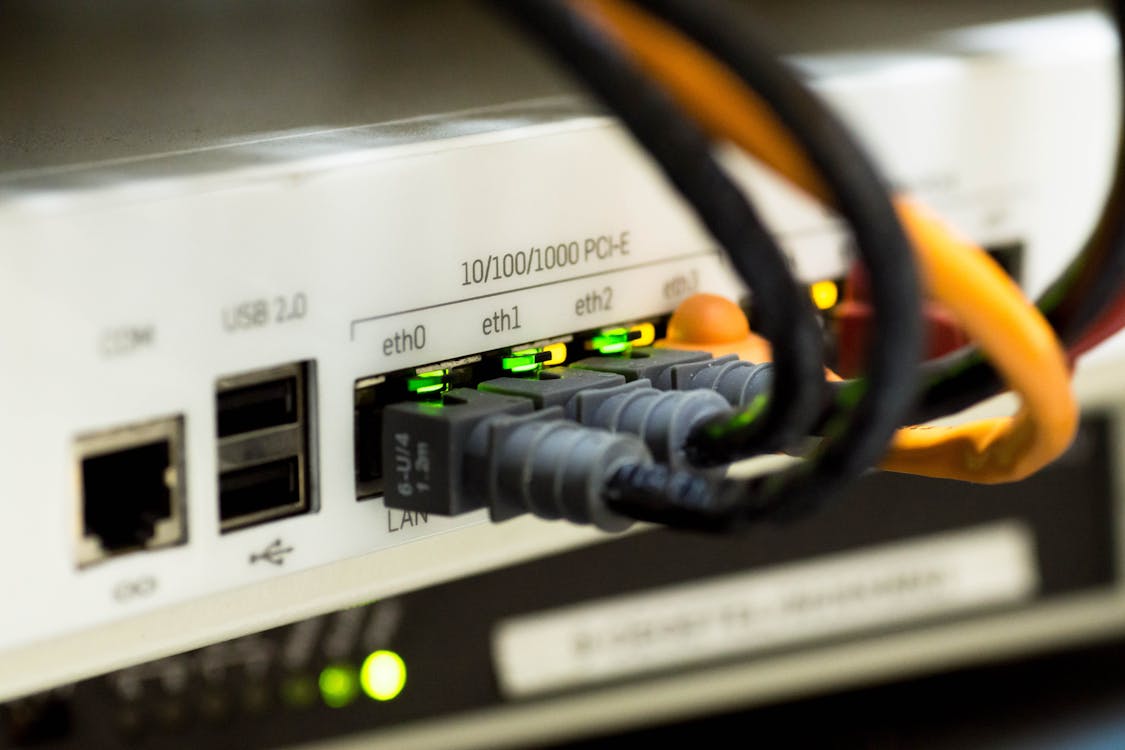
Estimated startup investment for a 200-subscriber broadband setup in a dense urban locality: Rs. 3 to 8 lakh. This is typically recoverable within 12 to 18 months at Rs. 500 per subscriber average monthly revenue.
How Cable Operators Make Money: The Business Model
Revenue streams for an LCO in 2026:
- Monthly broadband subscription: Rs. 400 to Rs. 1,200 per subscriber per month depending on plan speed and city tier
- Cable TV subscription: Rs. 130 to Rs. 400 per month after TRAI New Tariff Order 2.0
- New connection installation charge: Rs. 500 to Rs. 1,500 one-time per subscriber
- OTT bundling: Partnering with streaming platforms for add-on monthly revenue
- B2B broadband leased lines: Selling to shops, clinics, and small offices at 3 to 5x residential pricing
A well-run LCO with 500 broadband subscribers at Rs. 600 per month average earns Rs. 3 lakh per month gross. After backbone bandwidth costs (typically 25 to 30%), electricity, maintenance, and staff, net margins are Rs. 1.2 to 2 lakh per month. The single biggest leak in this model is billing collection — operators who collect manually consistently lose 10 to 20% of revenue to delays and errors.
LCOs using lno360's automated billing and collection module report recovering 15 to 20% more revenue within the first 3 months by eliminating manual billing errors and sending automated payment reminders before due dates.
How to Get Your First 100 Subscribers
The fastest path to 100 subscribers for a new LCO:
- Pick one dense target zone first — an apartment complex, housing society, or a street of 50 to 100 houses. Do not spread thin across multiple areas.
- Offer a 7-day free trial with no installation charge for the first 30 subscribers. Word of mouth in a locality is faster than any paid ad.
- Run a referral incentive: Rs. 100 to Rs. 200 off the next month's bill for every new subscriber a customer refers.
- Partner with a local mobile recharge shop as your collection and activation point. You get walk-in subscribers, they get footfall.
- Fix outages within 4 hours in the first 3 months. Speed of resolution is your primary differentiator against larger operators.
- Put up flex banners at the entry points of your target locality with your contact number and plans clearly listed.
Most new LCOs who focus on a single geofenced zone reach 100 subscribers in 60 to 90 days. The ones who spread across multiple areas in Month 1 typically stall at 40 to 60 because service quality drops.
Once you cross 100 to 150 subscribers, managing connections on Excel or WhatsApp becomes a liability. lno360's subscriber management dashboard gives you real-time visibility into active, expired, and disconnected connections — and sends automated renewal reminders so you are not chasing payments manually.
Common Mistakes New LCOs Make (And How to Avoid Them)
- Expanding to new localities before stabilizing the first zone: Fix uptime and billing in one area before laying more fiber. Early churn across multiple zones kills momentum fast.
- Running broadband without a DOT ISP license: This is illegal. One complaint from a competitor is enough to get you shut down before you break even.
- Underpricing to compete with Jio without calculating cost: Rs. 299 per month broadband is a loss-making move for most new LCOs. Know your cost per subscriber before setting prices.
- Not signing a proper MSO agreement before launching cable TV: Operate without documentation and you have zero protection if the MSO raises rates or disconnects your signal.
- Manual billing that creates collection leakage: Every rupee you fail to collect on time is working capital you lose. Automate billing from Day 1.
- Buying too much ONU inventory upfront: Start with 30 to 50 units. Add inventory as you add subscribers. Avoid tying up Rs. 1 to 2 lakh in stock that sits unused.
Frequently Asked Questions
How much does it cost to start a cable operator business in India?
Startup investment ranges from Rs. 3 lakh for a 100 to 200 subscriber broadband setup in a small dense locality to Rs. 8 to 10 lakh for a 500-subscriber setup. License fees are low: Rs. 500 per year for the postal licence and Rs. 10,000 for the DOT ISP Category C license. The bulk of cost is OLT equipment, fiber cable, and ONU units per subscriber.
Is cable operator business profitable in India in 2026?
Yes — especially for LCOs focused on broadband. Cable TV revenue is declining at roughly 5 to 8% per year, but broadband demand is growing sharply. LCOs who transition to FTTH broadband are seeing net margins of Rs. 1 to 2 lakh per month at 300 to 500 subscribers. The key is low operational overhead and tight billing discipline.
Can I become a cable operator without connecting to an MSO?
For cable TV, you need an MSO connection to receive broadcast signals legally. You cannot provide cable TV independently without one. For broadband-only operations, you can operate completely independently using your DOT ISP license and your own fiber infrastructure — no MSO involvement needed.
What is the difference between an LCO license and an ISP license?
The LCO license (postal licence plus MIB registration) allows you to provide cable TV services. An ISP license from DoT allows you to provide internet services. If you want to offer both cable TV and broadband, you need both. Many new operators in 2026 start with just an ISP license to offer broadband and skip cable TV entirely.
How long does LCO registration take online?
Online MIB registration through the Broadcast Seva Portal takes 7 to 15 working days. The postal licence from the head post office typically takes 3 to 7 days. DOT ISP license takes 30 to 60 days. Start the process before investing in infrastructure so you can operate legally from Day 1.
Can one person run a cable operator business?
Yes. Many LCOs in India are single-operator businesses, especially in the 100 to 300 subscriber range. You will need at least one field technician for installations and fault resolution, but billing and subscriber management can be handled solo with the right platform. Beyond 500 subscribers, a dedicated billing or operations person is needed.
Start Your Cable Operator Business on the Right Foundation
Becoming a cable operator in India in 2026 is a real business opportunity — not a dying one. The operators winning right now combine strong local relationships with the right infrastructure and operational discipline.
Get your MIB registration done first. Then your ISP license. Pick your first locality carefully, keep your subscriber base dense before you expand, and automate your billing from Day 1.
If you want the operational foundation to scale without chaos — billing, subscriber management, complaint ticketing, and field ops in one platform — explore lno360.com, built specifically for Indian cable operators and last-mile ISPs.